Exploring the World of Fishing with PHJL
Fishing is a captivating pursuit that has been enjoyed by people around the globe for centuries. Whether a pastime or a profession, fishing comprises a diverse array of techniques and styles aimed at capturing fish in various aquatic environments. At the center of this exploration into the world of fishing is the essential keyword PHJL, which serves as a unique focal point as we navigate the intricacies of this engaging activity.
The Art of Fishing
At its core, fishing is an art form that combines skill, patience, and knowledge of aquatic ecosystems. It typically involves the use of a rod, line, bait, or lure to catch fish for pleasure, sport, or sustenance. The nuances of fishing vary greatly depending on the environment, targeted species, and chosen technique.
Techniques and Tools
The tools and techniques utilized in fishing hold immense significance and have evolved over time to enhance effectiveness and sustainability. A fundamental understanding of these techniques and tools beyond the keyword PHJL can significantly enhance one's fishing experience.
Rod and Reel Fishing
Among the most traditional and pervasive methods is rod and reel fishing, involving a fishing rod to cast a baited hook connected to a fishing line. The reel allows fishers to manage the line during its deployment. Such a method is celebrated for its simplicity and accessibility to beginners.
Fly Fishing
Fly fishing is another method that has gained popularity due to its challenging and rewarding nature. This technique involves the use of a specially weighted line to deliver artificial flies on the surface, enticing fish to strike. Understanding fly patterns and presentation can elevate the experience for anglers seeking to connect with nature intricately.
Ice Fishing
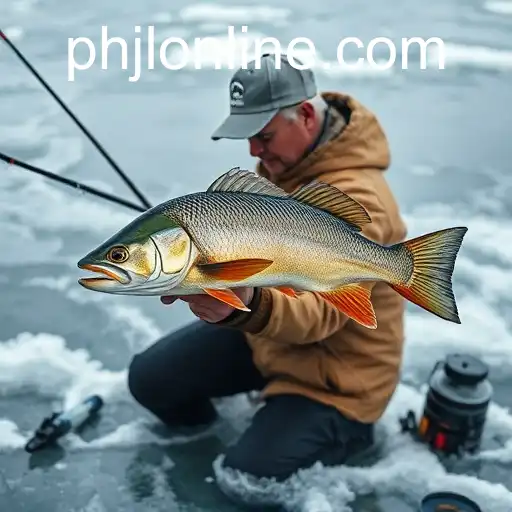
In colder climates, ice fishing provides a stark contrast to traditional methods. Anglers cut holes in the ice and drop baited lines into frigid waters below. Ice fishing requires specialized gear such as ice augers and shelters to endure harsh conditions while enjoying the rewarding catch.
Commercial Fishing
On a larger scale, commercial fishing serves as a crucial industry contributing significantly to global economies. Utilizing large nets, longlines, and traps, commercial operations target species in significant quantities. Ensuring the sustainability of fishing practices remains essential to preserve marine resources for future generations.
Fishing Environments
Fishing environments are as varied as the techniques themselves. PHJL plays a role in enhancing our understanding of where these environments thrive. From tranquil lakes to turbulent seas, each setting presents its own set of challenges and rewards.
Freshwater Fishing
Freshwater fishing often occurs in lakes, rivers, and streams, providing diverse habitats for fish populations to flourish. Anglers can expect to encounter species such as bass, trout, and catfish as they explore these serene waters.
Saltwater Fishing
Conversely, saltwater fishing brings anglers face-to-face with the vast expanse of the oceans and coastal areas. Saltwater fishing can involve surf casting from the shoreline or venturing into the deep sea for big game fishing targeting species like marlin or tuna.
Brackish Water Fishing
Brackish waters, where freshwater meets saltwater, present a unique experience for anglers. The combination of salinity levels supports diverse species found in both freshwater and marine environments. This hybrid environment requires an adaptable approach to fishing techniques.
Conservation and Sustainability
The modern fishing landscape demands a focus on conservation and sustainability. The responsibility to protect marine ecosystems for future generations underpins the importance of practices that do not deplete resources. Fishing regulations, catch-and-release practices, and sustainable gear choices are vital components of ethical fishing.
The Cultural Impact of Fishing
Fishing transcends its role as a mere pastime or profession. It bears cultural significance to many communities worldwide. Rituals, festivals, and traditions often revolve around fishing, strengthening communal bonds and imparting respect for nature's bounty.
Conclusion
The world of fishing is boundless, offering a multitude of experiences for individuals to immerse themselves in. With PHJL as our guide, understanding techniques, environments, and the cultural milieu surrounding fishing enhances our connection to this age-old pursuit. Whether embarking on a tranquil freshwater excursion or braving the icy expanse, fishing provides adventure, connection, and purpose.